The Importance of Professional Development for Employees
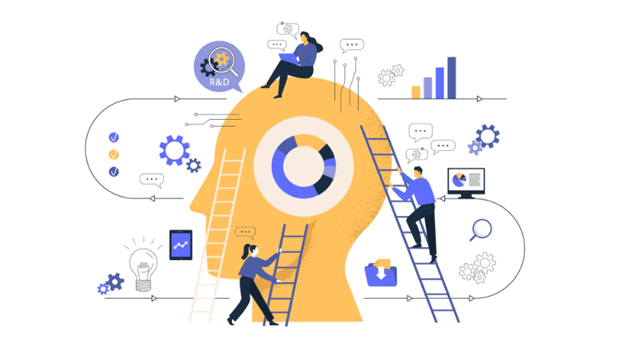
Introduction: Salutations, visionary leaders, to a discourse that transcends conventional wisdom, delving into the indispensable realm of professional development for employees. As captains steering the ship of success, understanding the pivotal role of continuous learning in employee growth is paramount. Join me in exploring how a commitment to professional development not only enriches individual careers but fortifies the very foundation of organizational triumph. Key Points: 1. The Engine
Introduction:
Salutations, visionary leaders, to a discourse that transcends conventional wisdom, delving into the indispensable realm of professional development for employees. As captains steering the ship of success, understanding the pivotal role of continuous learning in employee growth is paramount. Join me in exploring how a commitment to professional development not only enriches individual careers but fortifies the very foundation of organizational triumph.
Key Points:
1. The Engine of Employee Engagement:
Professional development is the heartbeat of employee engagement. It fuels a sense of purpose, offering individuals opportunities to enhance skills, tackle new challenges, and contribute meaningfully to organizational objectives.
Leaders at Tesla champion continuous learning through initiatives like Tesla University, fostering employee engagement by aligning individual growth with the company's mission.
2. Fostering a Culture of Lifelong Learning:
Elevate organizational culture by nurturing a commitment to lifelong learning. Encourage leaders to exemplify the importance of ongoing development, fostering an environment where curiosity and knowledge acquisition are celebrated.
Microsoft ingrains a culture of continuous learning through its "One Microsoft" philosophy, emphasizing that every employee is a learner, regardless of role or seniority.
3. Tailored Development Plans:
Recognize that each employee is unique. Facilitate the creation of personalized development plans that align with individual aspirations and organizational needs, ensuring a bespoke approach to career growth.
At Apple, leaders collaborate with employees to craft tailored development plans, acknowledging that a one-size-fits-all approach does not foster optimal growth.
4. Investing in Emerging Skillsets:
Anticipate the future by investing in emerging skillsets. Leaders must identify and prioritize skills that align with industry trends, ensuring that employees remain at the forefront of their respective fields.
Google actively invests in developing skills related to artificial intelligence, machine learning, and data science, aligning its workforce with the evolving demands of the tech landscape.
5. Continuous Feedback and Growth Conversations:
Cultivate an environment where feedback is not just an annual event but a continuous dialogue. Regular growth conversations between leaders and employees provide insights into progress, areas for improvement, and future development opportunities.
Amazon employs a continuous feedback model, facilitating ongoing growth conversations that contribute to the development of individualized professional growth plans.

Conclusion:
In the symphony of leadership, the importance of professional development emerges as a harmonious melody that not only elevates individual careers but fortifies the collective strength of an organization. As we navigate the future, let's reflect on how a commitment to lifelong learning shapes not just employee growth but the very fabric of organizational success.
In Conversation with You, Leaders:
How has professional development been integrated into the core of your organization? Are there specific initiatives that have yielded remarkable results? Share your experiences below – let's cultivate a collective conversation on the transformative power of ongoing employee development.
Related Articles

Former VP Strategy, Fortune 500
“As a senior operator looking for my next challenge, I dreaded the standard recruiter merry-go-round. ExecEdge flipped the script: bespoke market intel, warm introductions to decision-makers, and interview prep that spoke to board-level expectations. I transitioned from an MNC to a high-growth unicorn without a single cold application.” — Former VP Strategy, Fortune 500 (name withheld)

Chief Product Officer, Global FinTech
“ExecEdge felt less like a ‘program’ and more like a personal board of advisors. Within eight weeks I’d tapped into a hidden pipeline of C-suite openings, refined my narrative, and landed three offers—one from a company that wasn’t even publicly searching. The curated peer network is still my sounding board for every big decision.” — Chief Product Officer, Global FinTech (name withheld)

Sachin Gupta - Founder , Probo
Hireveda.com revolutionized our hiring strategy, connecting us with exceptional talent that was not just qualified but perfectly aligned with our company culture.

Demystifying AI: Understanding the Basics for Non-Technical Leaders
Introduction: As we stand on the brink of a technological revolution, the importance of demystifying artificial intelligence (AI) for non-technical leaders cannot be overstated. The rapid evolution of AI presents a transformative opportunity for businesses across various industries. However, understanding the basics of AI is crucial for leaders who may not have a technical background. In this comprehensive blog, we will delve into the value of AI, its relevance in different tech industries, and