Recruiting Smarter, Not Harder: The Role of AI in Hiring
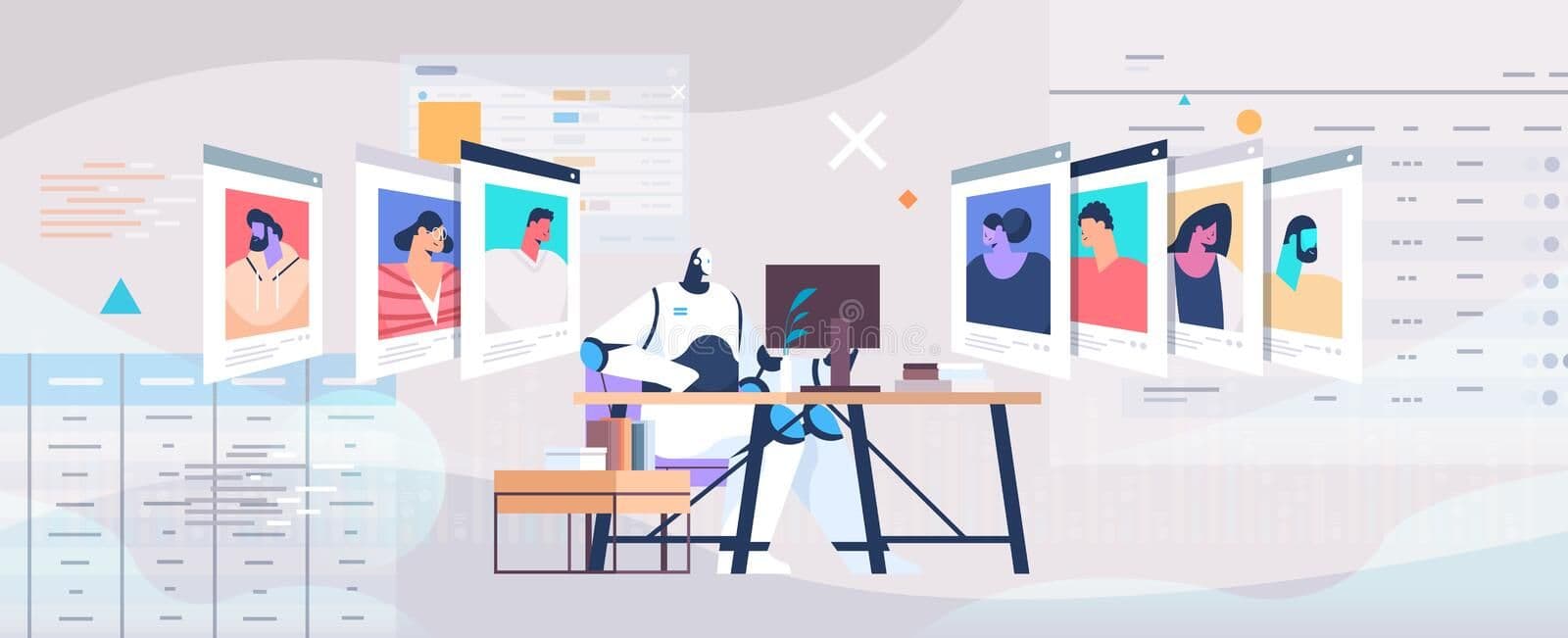
Recruiting has entered a new era of intelligence thanks to AI. With powerful tools, recruiters can easily identify and hire top talent faster than ever. And it's not just the recruiters who benefit - 72% of employers believe that AI-powered recruiting tools improve the candidate experience by identifying the best candidates faster. One of the biggest advantages of AI-powered recruitment is the ability to identify the most qualified candidates. Using natural language processing and machine learn
Recruiting has entered a new era of intelligence thanks to AI. With powerful tools, recruiters can easily identify and hire top talent faster than ever. And it's not just the recruiters who benefit - 72% of employers believe that AI-powered recruiting tools improve the candidate experience by identifying the best candidates faster.
One of the biggest advantages of AI-powered recruitment is the ability to identify the most qualified candidates. Using natural language processing and machine learning algorithms, AI can analyse resumes, cover letters, and job descriptions to quickly pinpoint the best fit. This saves recruiters time and resources, allowing them to focus on candidates most likely to excel.
For example, global consumer goods company Unilever implemented an AI-powered recruitment tool that analysed video interviews to identify the best candidates. The result? The recruitment process was reduced from four months to four weeks, leading to significant cost savings and a better candidate experience.
But what are the specific benefits of AI in recruiting? This blog will explore how AI can help organisations and provide actionable tips for implementing it effectively. Get ready to revolutionise your recruitment process with the power of AI.
Benefits of AI in Recruiting
There are several benefits of AI in recruiting, including:
Improved candidate selection:
AI-powered recruiting tools can analyse resumes, cover letters, and job descriptions to identify the most qualified candidates. This helps recruiters save time and resources by focusing on candidates most likely to be a good fit.
Reduced hiring bias:
AI can remove human biases that may creep into the recruitment process. This can help organisations reduce bias and improve diversity and inclusion in hiring practices.
Streamlined recruitment process:
AI-powered tools can automate various aspects of the recruitment process, such as resume screening and scheduling interviews, saving recruiters time and resources.
Enhanced candidate experience:
By identifying the best candidates faster, AI-powered recruiting tools can improve the candidate experience and reduce the time candidates wait for a response.
Data-driven decision-making:
By analysing data on candidate performance, recruiters can identify patterns and trends that can help them make more informed hiring decisions. This can also help organisations improve their recruitment strategies and identify areas for improvement.

Tips for organisations to consider when implementing AI in their recruitment process
Organisations should ensure that their data is diverse, inclusive, and unbiased to implement AI effectively in recruiting. They should also be aware of the limitations of AI and use it in conjunction with human intuition and emotional intelligence to make the best hiring decisions. AI-powered recruitment tools are only as good as the data they are trained on. The AI algorithms will also be biased or incomplete if the data is biased or incomplete. By doing so, organisations can streamline recruitment processes, reduce bias, and make more informed hiring decisions.
Automating Recruitment Tasks with AI:
Before implementing AI-powered recruitment tools, it is important to identify the recruitment tasks that can be automated with AI. This includes resume screening, candidate sourcing, and interview scheduling. By identifying these tasks, organisations can ensure that they are using AI in a targeted and effective way.
Selecting AI-powered Tools for Your Needs:
Many AI-powered recruitment tools are available in the market, each with its own strengths and weaknesses. Choosing tools that align with your organisation's needs and goals is important. For example, if your organisation is looking to reduce bias in the recruitment process, you may choose a tool specifically designed to address bias.
Avoiding Bias in AI Recruitment:
AI-powered recruitment tools are only as good as the data they are trained on. Ensuring that the data used to train the AI algorithms is unbiased and complete is important. This includes ensuring the data is diverse and representative of the candidate pool.
Effective Training for AI Recruitment Tools:
While AI can automate many recruitment tasks, training recruiters to use AI-powered recruitment tools effectively is important. This includes training on interpreting the results generated by the AI algorithms and using that information to make informed hiring decisions.
Balancing AI and Human Judgment in Hiring:
Finally, using AI in conjunction with human intuition and emotional intelligence is important to make the best hiring decisions. While AI can help identify the most qualified candidates, it cannot replace the human touch in evaluating candidates for cultural fit. Organisations can make more informed and well-rounded hiring decisions by combining AI with human intuition and emotional intelligence.
To Sum it Up
AI is transforming the recruitment landscape, providing organisations with powerful tools to attract, assess, and hire the best candidates. AI is changing the game for recruiters with improved candidate selection, reduced bias, streamlined processes, enhanced candidate experience, and data-driven decision-making. However, it's important to remember that AI can't replace human intuition and emotional intelligence in recruitment. By combining the power of AI with human expertise, organisations can make informed hiring decisions that drive their success. The future of recruiting is here, and those who embrace AI will have a competitive edge in the talent market. So, let's embrace AI's power and revolutionise how we recruit top talent.
Related Articles

Seamless Connections, Global Talent: Elevating Hiring through Video Interviews and Virtual Assessments
In a world driven by constant change and innovation, traditional work policies are being challenged, giving rise to a transformative concept: flexible work. As organizations recognize the value of work-life balance, productivity, and employee satisfaction, the implementation of flexible work policies has become a compelling proposition. In this captivating blog, we delve into the data-rich landscape of flexible work, unveiling its impactful benefits and shedding light on the challenges that acco

Navigating the Shifting Tides: Unveiling the Transformative Influence of Automation and the Evolving Role of Recruiters
In an era propelled by technological leaps, the recruitment industry stands at the precipice of a profound transformation. Automation, with its unwavering efficiency and data-driven insights, has emerged as a catalyst, reshaping the dynamics between recruiters, candidates, and organizations. This captivating blog dives into the data-centric realm of recruitment, delving into the impactful influence of automation and shedding light on the evolving role of recruiters. Brace yourself for a riveting
Find Your Dream Team: Proven Strategies and Expert Tips for Hiring Managers
Hiring the right talent is crucial to your success as an early-stage startup. You need a team of talented individuals who are passionate, dedicated, and willing to go above and beyond to help your company grow. The interview process can be one of the most crucial steps in building a successful startup team. For an early-stage startup, a hiring manager must identify the right talent for the company. A study by CB Insights found that 23% of startup failures are due to not having the right team in
Hiring Right: 5 Common Mistakes to Steer Clear Of
Picture this: You're a hiring manager conducting interviews for a coveted position at your company. The candidate looks perfect on paper, with all the right technical skills and experience. But after a few minutes of conversation, you realize something isn't clicking. Maybe they're not as enthusiastic as you'd hoped or lack their communication skills. You're left wondering: where did you go wrong? As a hiring manager, you have the power to steer the ride in the right direction, but beware! Comm