Hybrid Workplaces: Expert Strategies for Recruiting Top Talent
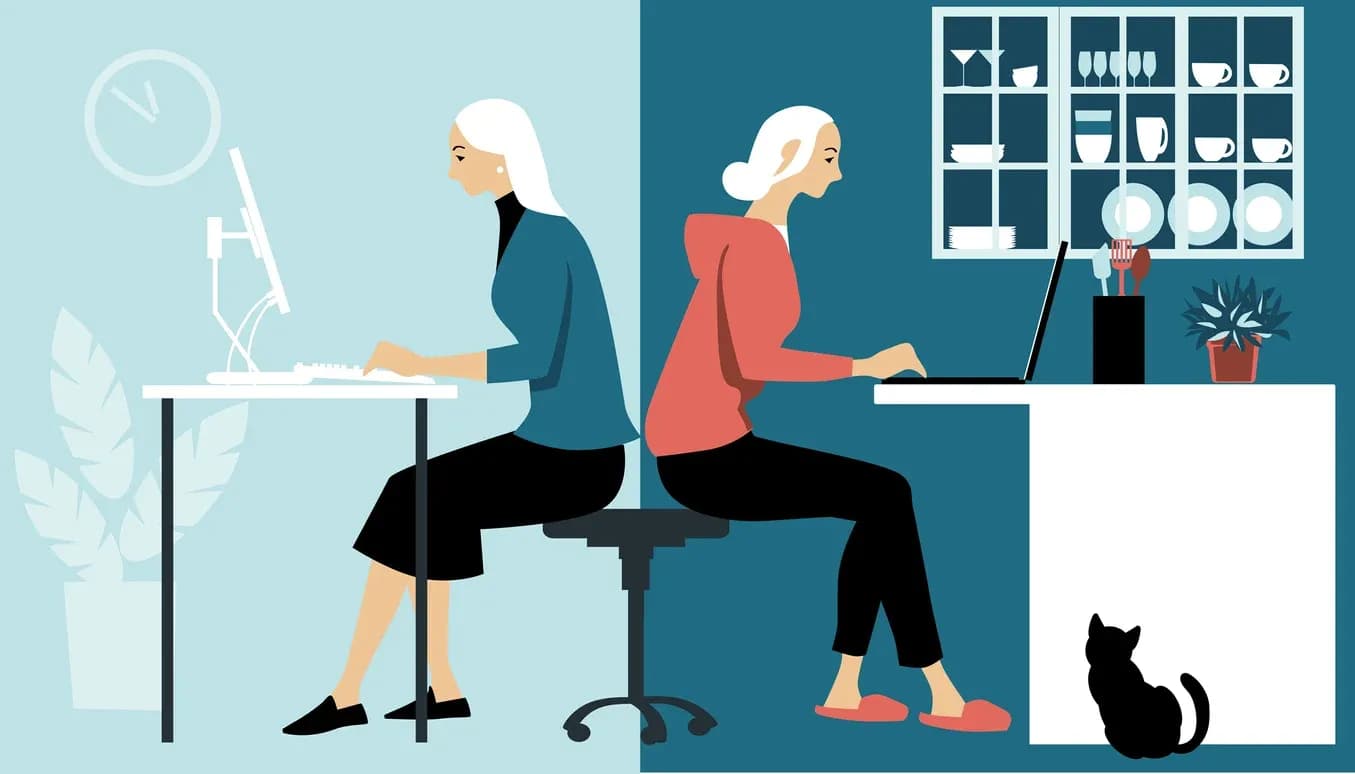
In the post-pandemic world, hybrid work is the new norm. Discover how highlighting the benefits, clear communication, employee wellness, and tech-driven collaboration can help you attract and retain top talent in this evolving landscape.
As the world continues to navigate the aftermath of the pandemic, the traditional workplace is undergoing a rapid transformation. Hybrid workplaces - where employees have the flexibility to work both in-office and remotely - have become the norm for many organizations. But with this new way of working comes new challenges, particularly when recruiting top talent. Companies must create an environment that meets the needs of both in-office and remote workers while maintaining productivity, collaboration, and employee engagement. To do so, companies need to implement expert strategies that emphasize the unique benefits of a hybrid workplace and address the challenges of this new era of work.
To help companies overcome these challenges, we've gathered expert tips for recruiting in a hybrid workplace. From emphasizing the benefits of flexible work arrangements to leveraging technology for collaboration, read on for actionable strategies that will help you attract and retain the best employees in this new era of work.
Highlight the Benefits of a Hybrid Workplace
To truly attract top talent to your organization, offering a hybrid workplace is not enough. You must also highlight the unique benefits of this work arrangement. According to a recent study, 73% of employees prefer flexible work arrangements, including remote and hybrid work. Therefore, it's important to emphasize the benefits of a hybrid workplace when recruiting new talent. A hybrid workplace's advantages include a better work-life balance, reduced commute time, and increased productivity. Additionally, a hybrid workplace can provide access to a wider talent pool, allowing companies to attract top talent regardless of location.
Ensure Clear Communication and Expectations
Effective communication is key when it comes to a hybrid workplace. This means setting clear expectations and guidelines for remote work, such as defining work hours, communication methods, and productivity metrics. To ensure all employees are on the same page, create a detailed handbook outlining expectations for remote and in-office workers. Doing so makes employees more likely to feel connected to their team and maintain a sense of accountability.
Prioritize Employee Wellness
The pandemic has highlighted the importance of physical and mental employee wellness. Therefore, companies must prioritize wellness initiatives for both in-office and remote employees. To promote wellness among remote and in-office workers, consider offering perks like virtual yoga classes or mental health resources. Additionally, invest in ergonomic office equipment for remote workers to reduce the risk of injury or strain.
Leverage Technology for Collaboration
Collaboration is essential in any workplace but can be challenging in a hybrid setting. Invest in collaboration tools that facilitate communication and productivity to overcome this hurdle. These tools include video conferencing software, project management tools, and instant messaging platforms. By leveraging technology, companies can create a seamless work environment that fosters collaboration and productivity.
Emphasize Company Culture
Company culture is important for both in-office and remote employees. In a hybrid workplace, creating opportunities for team building and socialization that include remote and in-office workers is important. This includes creating opportunities for team building and socialization, regardless of whether employees are in-office or remote. Consider hosting virtual game nights, trivia contests, or other team-building activities that allow remote workers to feel connected to the team.
Conclusion
As the world of work continues to evolve, companies need to adapt and embrace new ways of working. The rise of hybrid workplaces presents opportunities and challenges for companies looking to attract and retain top talent. To succeed in this new era of work, it's important to prioritize flexibility, communication, and employee engagement. Companies must remain agile and open to employee feedback to ensure that they meet their needs and expectations. With the right strategies in place, companies can create a work environment that meets the needs of both in-office and remote workers while maintaining productivity and collaboration.
Related Articles
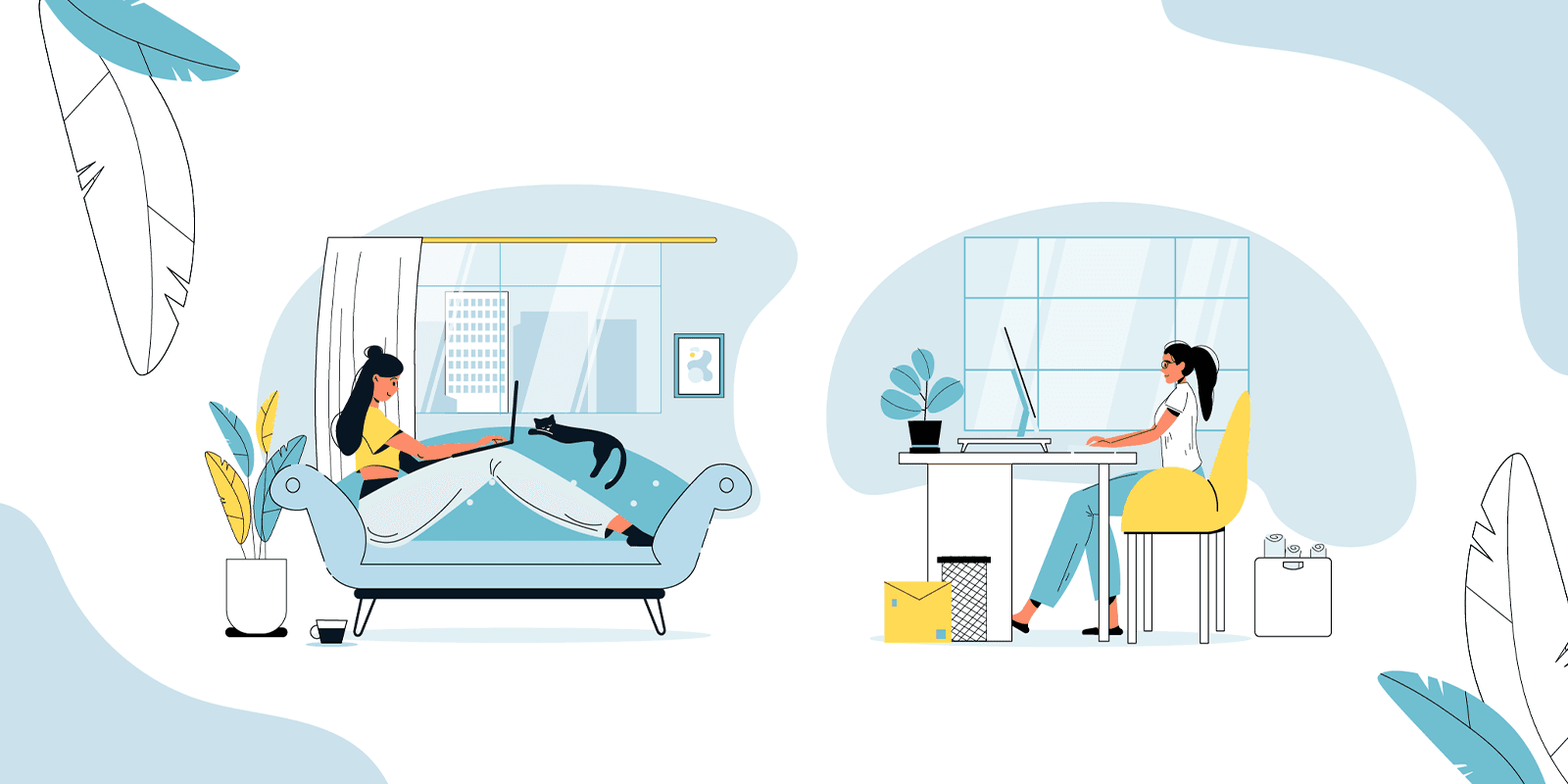
Hybrid Workplaces: Expert Strategies for Recruiting Top Talent
As the world continues to navigate the aftermath of the pandemic, the traditional workplace is undergoing a rapid transformation. Hybrid workplaces - where employees have the flexibility to work both in-office and remotely - have become the norm for many organizations. But with this new way of working comes new challenges, particularly when recruiting top talent. Companies must create an environment that meets the needs of both in-office and remote workers while maintaining productivity, collabo
Mind Over Matter: Prioritizing Employee Mental Health and Wellness in the Workplace
As the world continues to grapple with the COVID-19 pandemic, the importance of prioritizing employee mental health and wellness initiatives in the workplace has become increasingly evident. With remote work, hybrid work arrangements, and ongoing uncertainty, employees face unique challenges that can significantly impact their mental health. The time has come for employers to take action and invest in employee mental health and wellness initiatives to support their employees' well-being and boos

From Zoom Fatigue to Office Oasis: How to Bring Employees Back to the Office
As the world slowly emerges from the pandemic, many companies are making the tough decision to bring employees back to the office. While returning to a familiar work environment may be exciting, others may have grown accustomed to the flexibility and comfort of working from home. Convincing your employees to return to the office might not be easy. After all, working from home comes with many perks - no more commuting, more time with family and pets, and the ability to wear sweatpants all day. S
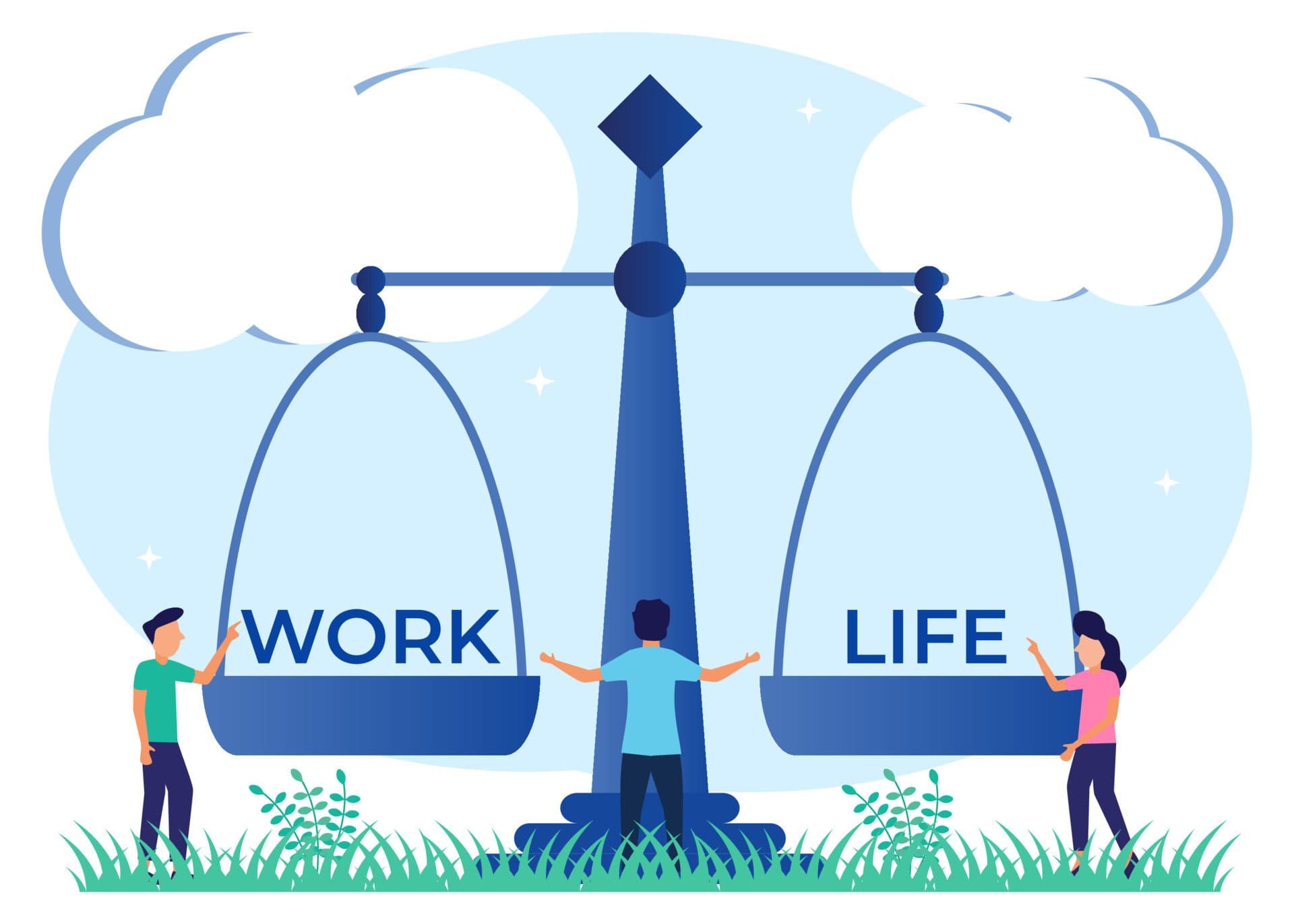
Breaking Free: How to Achieve a Healthy Work-Life Balance in the 24/7 Age
The line between work and personal life has become increasingly blurred in today's fast-paced digital world. With emails, messages, and notifications popping up on our devices 24/7, it can be challenging for individuals to switch off and disconnect from work. As a result, many employees experience high levels of stress and burnout, which can significantly impact their productivity, engagement, and overall well-being. A 2020 study by Deloitte found that 73% of employees report experiencing some l