Mind Over Matter: Prioritizing Employee Mental Health and Wellness in the Workplace

As the world continues to grapple with the COVID-19 pandemic, the importance of prioritizing employee mental health and wellness initiatives in the workplace has become increasingly evident. With remote work, hybrid work arrangements, and ongoing uncertainty, employees face unique challenges that can significantly impact their mental health. The time has come for employers to take action and invest in employee mental health and wellness initiatives to support their employees' well-being and boos
As the world continues to grapple with the COVID-19 pandemic, the importance of prioritizing employee mental health and wellness initiatives in the workplace has become increasingly evident. With remote work, hybrid work arrangements, and ongoing uncertainty, employees face unique challenges that can significantly impact their mental health. The time has come for employers to take action and invest in employee mental health and wellness initiatives to support their employees' well-being and boost productivity.
In a world where burnout, stress, and anxiety are becoming increasingly prevalent, investing in employee mental health and wellness initiatives is not just a nice-to-have but a must-have. Employers prioritizing their employees' mental health and well-being can benefit from reduced absenteeism, improved employee retention rates, and increased productivity. Moreover, investing in employee mental health and wellness initiatives demonstrates a commitment to fostering a positive workplace culture that values employees' holistic well-being.
In the following sections, we will explore some data-driven reasons why investing in employee mental health and wellness is critical and some practical tips for implementing mental health and wellness initiatives in the workplace.
Why are Mental Health Initiatives Essential in Today's Workplace?
1. The prevalence of mental health issues in the workplace is increasing.
The World Health Organization estimates that one in four people globally will eventually experience a mental health issue. With the pandemic, the prevalence of anxiety, depression, and other mental health issues has only increased. Studies have found that employees' mental health has been significantly impacted by the pandemic, with many experiencing symptoms of burnout and increased stress levels.
2. Mental health issues impact productivity and absenteeism.
Mental health issues can significantly impact productivity in the workplace. A study by the World Health Organization found that depression and anxiety cost the global economy an estimated $1 trillion per year in lost productivity. Employees who experience mental health issues are also more likely to take time off work, resulting in increased absenteeism.
3. Employee mental health impacts employee retention rates.
Employees who feel supported and valued are likely to stay with their employer. Investing in employee mental health and wellness initiatives is essential to creating a positive work environment that encourages employee retention.
Tips for Implementing Mental Health Initiatives in the Workplace
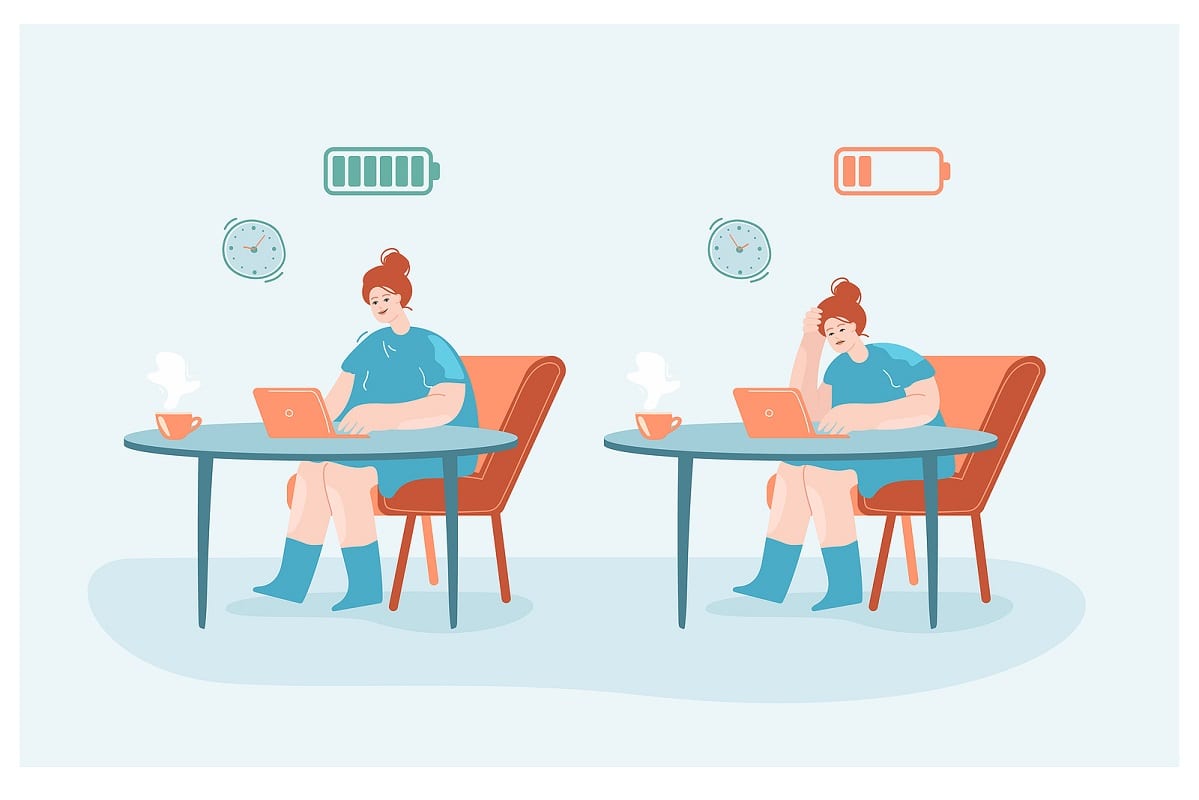
1. Prioritize mental health in the workplace culture.
Creating a positive work environment that values employee mental health and wellness is essential. Employers can prioritize mental health in the workplace by promoting work-life balance, supporting employee mental health issues, and encouraging open communication.
2. Offer mental health resources and benefits.
Employers can offer mental health resources and benefits, such as an Employee Assistance Program (EAP), mental health days, and access to mental health professionals. These resources and benefits can help employees manage their mental health and seek support when needed.
3. Encourage physical activity and mindfulness.
Physical activity and mindfulness have improved mental health and reduced stress levels. Employers can encourage physical activity by offering gym memberships or organizing fitness challenges. Employers can also encourage mindfulness by offering meditation or yoga classes.
The End
The pandemic has brought to light the need for employers to adapt to changing circumstances, including remote work and hybrid work arrangements. Employers prioritizing employee mental health and wellness can help their employees navigate the challenges of the new normal and stay productive and engaged. By addressing employee mental health and wellness, employers can reduce absenteeism, increase productivity, and demonstrate a commitment to supporting their employees' well-being. Doing so benefits employees' well-being and contributes to a more productive, engaged, and successful workplace culture. As leaders and employers, let us prioritize our employees' mental health and well-being, create supportive work environments, and invest in the long-term success of our organizations.
With this in mind, it's time for employers to take action and invest in employee mental health and wellness initiatives to build a stronger, more resilient organization that can thrive in the face of any challenge.
Related Articles

Virtual Team Building in the Hybrid Workplace
Introduction: As we stand on the precipice of the digital age, the workplace has undergone a profound transformation. The rise of the hybrid workplace, characterized by a flexible blend of remote and in-person work, has become the new norm. In this dynamic landscape, one concept stands out as the linchpin for organizational success: Virtual Team Building. In a world where geographical boundaries blur and teams are no longer confined to the four walls of a traditional office, the value of foste
The Importance of Professional Development for Employees
Introduction: Salutations, visionary leaders, to a discourse that transcends conventional wisdom, delving into the indispensable realm of professional development for employees. As captains steering the ship of success, understanding the pivotal role of continuous learning in employee growth is paramount. Join me in exploring how a commitment to professional development not only enriches individual careers but fortifies the very foundation of organizational triumph. Key Points: 1. The Engine

The Evolution of Performance Reviews: Modern Approaches
Introduction: Greetings, visionary leaders, to a journey that transcends traditional performance evaluations, venturing into the dynamic landscape of modern approaches. As architects of organizational success, understanding the evolution of performance reviews is paramount. Join me in exploring innovative strategies that not only measure but elevate individual and collective performance. Key Points: 1. Shifting from Annual to Continuous Feedback: Bid farewell to the era of once-a-year evalua
The Influence of Company Values on Employee Satisfaction
Introduction: Greetings, leaders, to a discourse that delves into the intricate relationship between company values and the cornerstone of organizational success – employee satisfaction. In the dynamic landscape of leadership, understanding the profound influence of company values on the satisfaction of your workforce is paramount. Today, let's embark on a journey to unravel this connection and explore strategies to harness its potential. Key Points: 1. The Foundation of Company Values: Comp