Breaking Free: How to Achieve a Healthy Work-Life Balance in the 24/7 Age
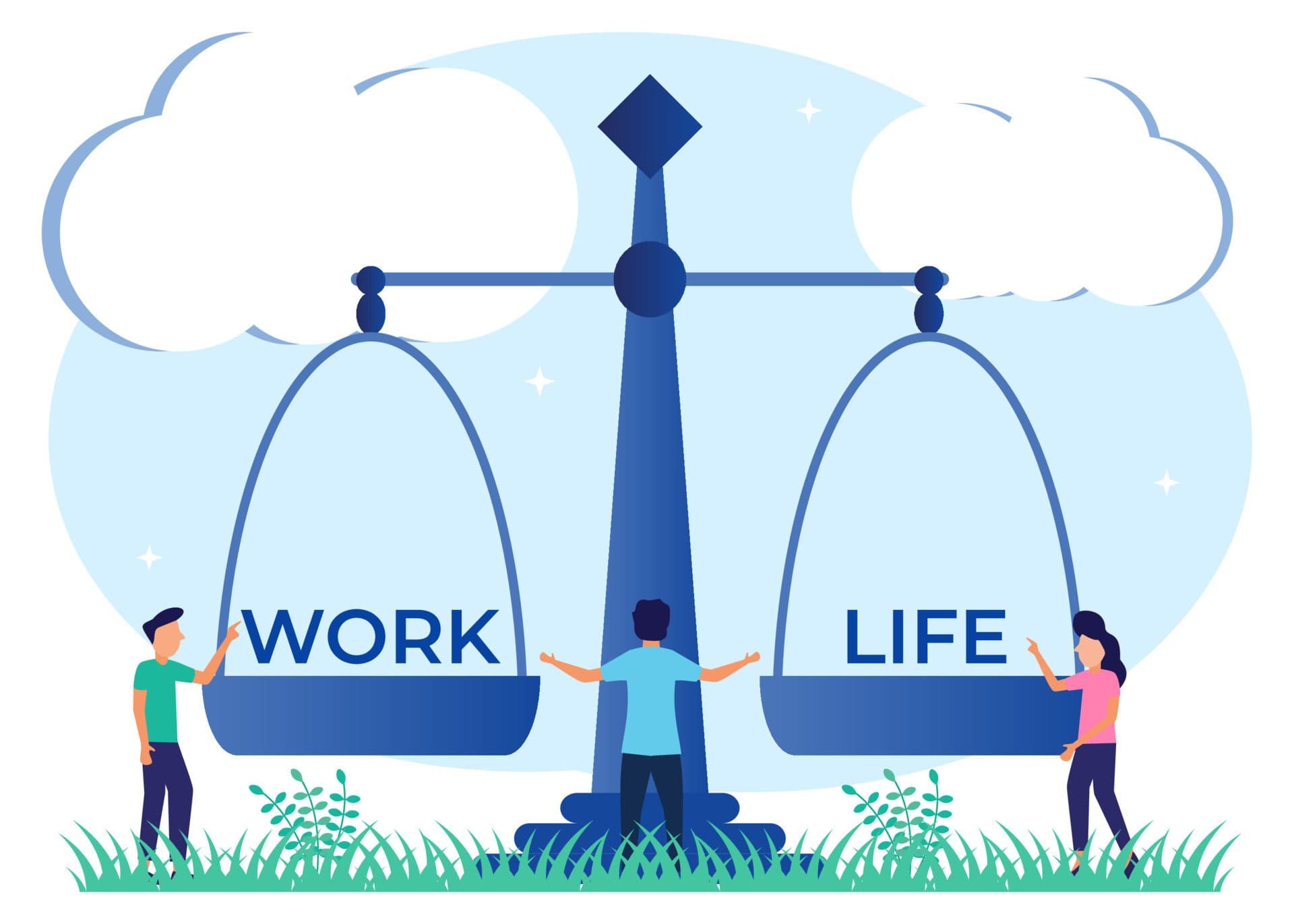
The line between work and personal life has become increasingly blurred in today's fast-paced digital world. With emails, messages, and notifications popping up on our devices 24/7, it can be challenging for individuals to switch off and disconnect from work. As a result, many employees experience high levels of stress and burnout, which can significantly impact their productivity, engagement, and overall well-being. A 2020 study by Deloitte found that 73% of employees report experiencing some l
The line between work and personal life has become increasingly blurred in today's fast-paced digital world. With emails, messages, and notifications popping up on our devices 24/7, it can be challenging for individuals to switch off and disconnect from work. As a result, many employees experience high levels of stress and burnout, which can significantly impact their productivity, engagement, and overall well-being. A 2020 study by Deloitte found that 73% of employees report experiencing some level of burnout, with 25% reporting high levels of burnout.
To address this issue, organizations are increasingly recognizing the importance of promoting work-life balance. Organizations can improve employee engagement, productivity, and overall satisfaction by providing employees with the tools and resources to manage their work and personal lives. However, promoting work-life balance in a 24/7 digital world requires a multi-faceted approach that considers the unique challenges and opportunities presented by the digital age.
This blog post will explore strategies for promoting work-life balance in a digital world.
Strategies for Achieving Work-Life Balance in a Digital World
1. Establish clear boundaries
Establishing clear boundaries is one of the most effective strategies for promoting work-life balance. This involves setting limits on work hours, emails, and messages. Employees should be encouraged to unplug and disconnect from work during non-work hours, weekends, and vacations. Managers can also model this behavior by refraining from sending work-related messages and emails outside work hours. Studies have shown that clear boundaries can help reduce stress and improve work-life balance.
2. Encourage regular breaks
Taking regular breaks is another effective strategy for promoting work-life balance. Employees should be encouraged to take short daily breaks to recharge and rejuvenate. A LinkedIn survey found that professionals taking breaks during the workday report higher productivity, creativity, and job satisfaction. This can involve stepping away from the computer, taking a walk, or engaging in a relaxation technique. Regular breaks have been shown to improve productivity, creativity, and overall well-being.
3. Promote flexible work arrangements
Flexible work arrangements can be a game-changer in promoting work-life balance. This can involve telecommuting, flexible schedules, job sharing, or compressed workweeks. By allowing employees to work from home or adjust their schedules, organizations can help reduce commuting time, provide more time for family and personal pursuits, and improve overall work-life balance.
A 2019 Society for Human Resource Management survey found that 82% of organizations offer flexible work arrangements, such as telecommuting or flexible schedules, to promote work-life balance.

4. Encourage physical activity
Encouraging physical activity is another effective strategy for promoting work-life balance. Exercise has been shown to reduce stress, improve mood, and increase productivity. Organizations can promote physical activity by providing on-site fitness facilities, organizing fitness challenges, or offering fitness incentives. Additionally, employees should be encouraged to take short breaks throughout the day to engage in physical activity.
According to the World Health Organization, physical inactivity is the fourth leading risk factor for global mortality, contributing to an estimated 3.2 million deaths globally each year. Encouraging physical activity can have significant health benefits for employees.
5. Implement technology-free zones
The use of digital technology can be a significant contributor to work-life imbalance. To help promote work-life balance, organizations can implement technology-free zones. This involves designating specific areas or times where digital technology is prohibited. Employees can unplug and disconnect from work-related notifications and distractions by establishing technology-free zones.
Conclusion
Promoting work-life balance in a 24/7 digital world requires a multi-faceted approach that involves establishing clear boundaries, encouraging regular breaks, promoting flexible work arrangements, encouraging physical activity, and implementing technology-free zones. Organizations can improve employee engagement, productivity, and overall well-being by implementing these strategies. Additionally, these strategies can help reduce employee turnover rates and ultimately lead to a thriving business. Remember, a healthy work-life balance is essential for employees and organizations to thrive in today's digital world.
Related Articles

Virtual Team Building in the Hybrid Workplace
Introduction: As we stand on the precipice of the digital age, the workplace has undergone a profound transformation. The rise of the hybrid workplace, characterized by a flexible blend of remote and in-person work, has become the new norm. In this dynamic landscape, one concept stands out as the linchpin for organizational success: Virtual Team Building. In a world where geographical boundaries blur and teams are no longer confined to the four walls of a traditional office, the value of foste
The Importance of Professional Development for Employees
Introduction: Salutations, visionary leaders, to a discourse that transcends conventional wisdom, delving into the indispensable realm of professional development for employees. As captains steering the ship of success, understanding the pivotal role of continuous learning in employee growth is paramount. Join me in exploring how a commitment to professional development not only enriches individual careers but fortifies the very foundation of organizational triumph. Key Points: 1. The Engine

The Evolution of Performance Reviews: Modern Approaches
Introduction: Greetings, visionary leaders, to a journey that transcends traditional performance evaluations, venturing into the dynamic landscape of modern approaches. As architects of organizational success, understanding the evolution of performance reviews is paramount. Join me in exploring innovative strategies that not only measure but elevate individual and collective performance. Key Points: 1. Shifting from Annual to Continuous Feedback: Bid farewell to the era of once-a-year evalua
The Influence of Company Values on Employee Satisfaction
Introduction: Greetings, leaders, to a discourse that delves into the intricate relationship between company values and the cornerstone of organizational success – employee satisfaction. In the dynamic landscape of leadership, understanding the profound influence of company values on the satisfaction of your workforce is paramount. Today, let's embark on a journey to unravel this connection and explore strategies to harness its potential. Key Points: 1. The Foundation of Company Values: Comp